


As a supplier of American light switches, I often receive inquiries from customers about the compatibility of our products with different types of bulbs, especially fluorescent bulbs. This is a crucial question as the improper combination of a light switch and bulbs can lead to various issues, including reduced bulb lifespan, inefficient energy use, and even safety hazards. In this blog, I'll delve into the details of whether you can use an American light switch with fluorescent bulbs.
Understanding American Light Switches
First, let's take a closer look at American light switches. American electrical systems typically operate on a 120 - volt AC power supply, and light switches are designed to handle this voltage. Our US 1 Gang Switch 16A is a common type of switch in the American market. It's a single - pole switch, which means it controls one circuit. The 16A rating indicates the maximum current that the switch can safely carry.
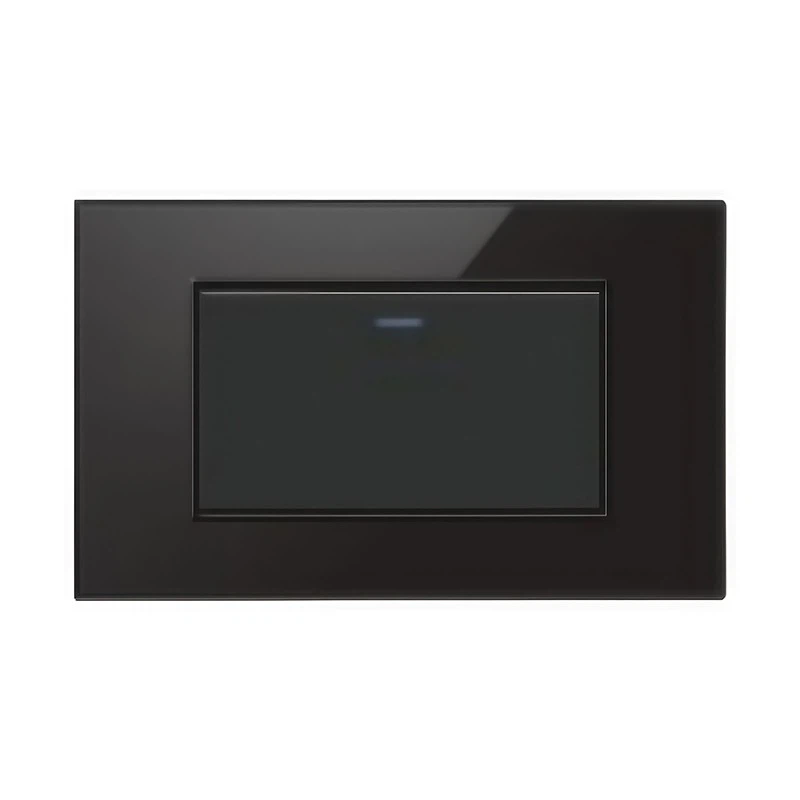

These switches are built with specific materials and design features to ensure reliable operation. They are usually made of high - quality plastics for insulation and metal components for conducting electricity. The internal contacts are designed to make and break the electrical circuit smoothly, minimizing arcing and wear.
How Fluorescent Bulbs Work
Fluorescent bulbs are quite different from traditional incandescent bulbs. Inside a fluorescent bulb, there is a tube filled with mercury vapor and an inert gas, usually argon. When an electric current passes through the tube, it excites the mercury atoms, which then emit ultraviolet (UV) light. The UV light is absorbed by a phosphor coating on the inside of the tube, which then emits visible light.
Fluorescent bulbs require a ballast to regulate the current flowing through the tube. The ballast provides the initial high voltage needed to start the bulb and then maintains a stable current during operation. There are two main types of ballasts: magnetic and electronic. Magnetic ballasts are older technology and tend to be larger, heavier, and less energy - efficient. Electronic ballasts, on the other hand, are more modern, smaller, and more energy - efficient.
Compatibility Factors
Voltage and Current
The voltage compatibility between an American light switch and fluorescent bulbs is generally not an issue. Since American light switches are designed for 120 - volt systems and most fluorescent bulbs used in American households are also rated for 120 volts, they can work together in terms of voltage.
However, the current draw of fluorescent bulbs can vary depending on their wattage and the type of ballast. Most standard fluorescent bulbs have a relatively low current draw. For example, a 32 - watt fluorescent tube typically draws around 0.27 amps. Our US 1 Gang Switch 16A can easily handle the current draw of multiple fluorescent bulbs, as its 16 - amp rating is much higher than the current requirements of individual or even several fluorescent bulbs combined.
Switching Mechanism
The switching mechanism of an American light switch can have an impact on fluorescent bulbs. When a switch is turned on and off, it creates a momentary surge of current. This surge can be more of a concern for fluorescent bulbs, especially those with magnetic ballasts. Magnetic ballasts are more sensitive to current surges, and repeated surges can cause premature failure of the ballast or the bulb itself.
Electronic ballasts are more resilient to these surges. They are designed to handle the electrical transients associated with switching on and off more effectively. So, if you're using fluorescent bulbs with electronic ballasts, the switching mechanism of an American light switch is less likely to cause problems.
Dimming
If you're considering dimming fluorescent bulbs with an American light switch, things get a bit more complicated. Not all fluorescent bulbs are dimmable, and even if they are, they require a special dimming ballast. Regular American light switches are not designed for dimming fluorescent bulbs. If you try to use a non - dimming switch to dim a fluorescent bulb, it can lead to flickering, inconsistent light output, and damage to the bulb or ballast.
For dimming fluorescent bulbs, you need a dimming switch specifically designed for use with fluorescent lighting. These switches are engineered to work with the unique electrical characteristics of fluorescent bulbs and their ballasts.
Advantages of Using American Light Switches with Fluorescent Bulbs
Energy Efficiency
Combining American light switches with fluorescent bulbs can contribute to energy savings. Fluorescent bulbs are already more energy - efficient than incandescent bulbs, and using a high - quality switch ensures that the electrical circuit is properly controlled. This means that the bulbs operate at their optimal efficiency, reducing energy waste.
Durability
Our American light switches are built to last. They are designed to withstand thousands of on - off cycles without significant wear. When used with fluorescent bulbs, they can provide reliable control over the lighting system for an extended period. This durability is beneficial for both residential and commercial applications, where frequent use of the lighting system is common.
Potential Challenges and Solutions
Flickering
Flickering is a common issue when using fluorescent bulbs. It can be caused by a variety of factors, including a faulty ballast, loose connections, or incompatible switches. If you experience flickering when using an American light switch with fluorescent bulbs, first check the connections to ensure they are tight. If the problem persists, it may be a sign of a faulty ballast, and you should replace it.
Noise
Magnetic ballasts in fluorescent bulbs can produce a humming noise. This noise can be annoying, especially in quiet environments. If you're using a switch with fluorescent bulbs that have magnetic ballasts and are bothered by the noise, consider upgrading to bulbs with electronic ballasts. Electronic ballasts are much quieter and can significantly reduce the noise level.
Conclusion
In general, you can use an American light switch with fluorescent bulbs. The voltage and current ratings of most American light switches are compatible with the requirements of fluorescent bulbs. However, you need to be aware of the specific characteristics of fluorescent bulbs, such as the type of ballast and whether they are dimmable.
If you're looking for a reliable light switch for your fluorescent lighting system, our US 1 Gang Switch 16A is a great choice. It offers high - quality construction and can handle the electrical demands of fluorescent bulbs.
If you have any questions about our products or need further advice on using American light switches with fluorescent bulbs, please don't hesitate to contact us. We're here to assist you in making the right choice for your lighting needs. Whether you're a homeowner looking to upgrade your lighting or a contractor working on a large - scale project, we can provide you with the best solutions.
References
- "Electrical Wiring Residential" by Ray C. Mullin and Phil Simmons
- "Fluorescent Lighting Handbook" by the Illuminating Engineering Society of North America


