


When it comes to American light switches, understanding the difference between a normal and a heavy - duty option is crucial for both consumers and professionals in the electrical field. As an American light switch supplier, I've had the opportunity to closely examine these two types of switches and understand their unique characteristics, applications, and benefits.
Construction and Design
Normal American light switches are typically designed for general - purpose use in residential and light - commercial settings. They are built with standard materials that are cost - effective and sufficient for the typical electrical loads found in most homes. The housing of a normal switch is often made of thermoplastic, which is lightweight and offers basic insulation. The internal contacts are usually made of copper or brass alloys, which can handle a relatively low amount of current.
On the other hand, heavy - duty American light switches are constructed to withstand more demanding conditions. The housing of a heavy - duty switch is often made of a more durable material, such as impact - resistant thermoplastic or even metal in some industrial applications. This provides better protection against physical damage, such as being bumped or dropped. The internal contacts in heavy - duty switches are made of high - quality copper or silver alloys. These materials have better conductivity and can handle higher currents without overheating. For example, a normal switch might be rated for 15 amps, while a heavy - duty switch can handle up to 20 amps or more.
Electrical Capacity
One of the most significant differences between normal and heavy - duty American light switches is their electrical capacity. Normal switches are designed to handle the typical electrical loads found in a home, such as lighting fixtures, small appliances, and fans. They are usually rated for 15 amps at 120 volts, which is sufficient for most standard household circuits.
Heavy - duty switches, however, are built to handle larger electrical loads. They are commonly used in applications where high - power devices are connected, such as electric heaters, large motors, or multiple lighting fixtures on a single circuit. A heavy - duty switch can be rated for 20 amps or more, allowing it to safely control these high - power devices without the risk of overheating or electrical failure. For instance, in a commercial kitchen, where there are multiple high - wattage appliances running simultaneously, a heavy - duty switch is essential to ensure safe and reliable operation.
Durability and Longevity
Durability is another key factor that sets normal and heavy - duty American light switches apart. Normal switches are designed for everyday use in a relatively stable environment. They are not built to withstand excessive wear and tear or harsh conditions. Over time, the contacts in a normal switch may start to wear out, leading to issues such as flickering lights or a switch that no longer functions properly.
Heavy - duty switches, on the other hand, are built to last. Their robust construction and high - quality materials make them more resistant to wear and tear. They can withstand frequent on - off cycles, high temperatures, and even some degree of physical abuse. In industrial settings, where switches may be operated hundreds or thousands of times a day, heavy - duty switches are the only option to ensure long - term reliability. For example, in a factory where machinery is constantly being turned on and off, a heavy - duty switch can provide years of trouble - free service.
Applications
The applications of normal and heavy - duty American light switches vary significantly based on their characteristics. Normal switches are commonly used in residential settings, such as bedrooms, living rooms, and kitchens. They are ideal for controlling standard lighting fixtures, ceiling fans, and small appliances. In a typical home, most of the light switches are normal switches because they meet the electrical needs of these areas.

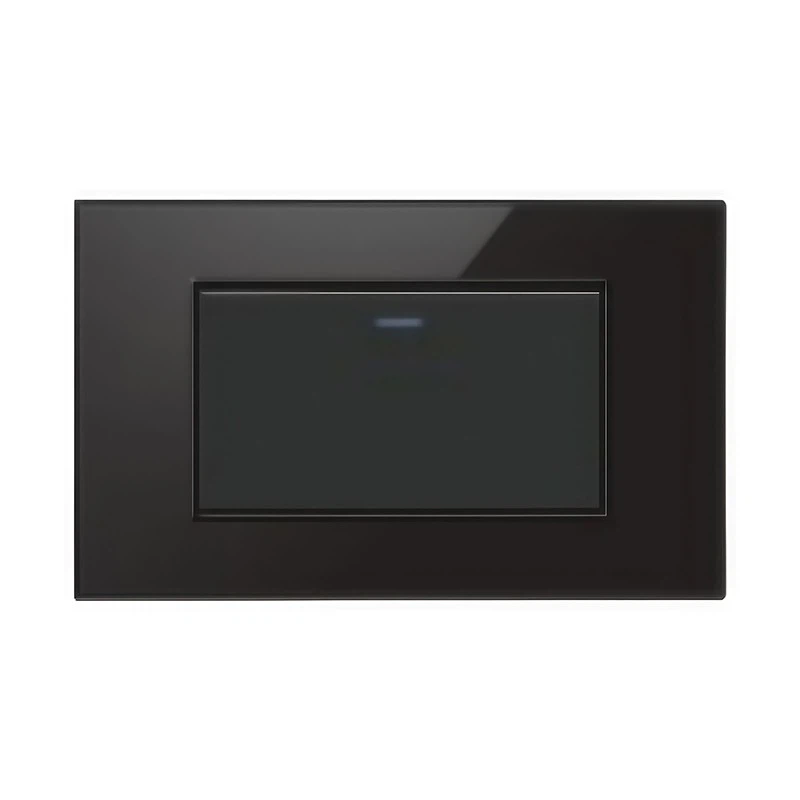
Heavy - duty switches, on the other hand, are used in a variety of commercial and industrial applications. They are found in factories, warehouses, commercial kitchens, and large office buildings. In a factory, heavy - duty switches are used to control large motors, conveyor belts, and other high - power equipment. In a commercial kitchen, they are used to control ovens, fryers, and other high - wattage appliances.
Safety Considerations
Safety is a top priority when it comes to electrical switches. Normal American light switches are designed with basic safety features, such as insulation and proper grounding, to prevent electrical shocks and short circuits. However, due to their lower electrical capacity, they may not be suitable for high - power applications. Using a normal switch to control a high - power device can lead to overheating, which can cause a fire hazard.
Heavy - duty American light switches are designed with enhanced safety features. Their high - quality contacts and robust construction reduce the risk of overheating and electrical failure. They also often have additional insulation and grounding features to ensure maximum safety. For example, some heavy - duty switches are designed to be used in wet or damp environments, with special seals and gaskets to prevent water from entering the switch and causing an electrical hazard.
Cost
Cost is also an important factor to consider when choosing between a normal and a heavy - duty American light switch. Normal switches are generally more affordable because they use less expensive materials and have a simpler design. They are a cost - effective option for residential applications where the electrical loads are relatively low.
Heavy - duty switches, on the other hand, are more expensive due to their high - quality materials and advanced construction. However, the additional cost is justified in applications where reliability and safety are critical. In a commercial or industrial setting, the cost of a heavy - duty switch is a small investment compared to the potential cost of downtime and damage caused by a switch failure.
Our Product Offerings
As an American light switch supplier, we offer a wide range of both normal and heavy - duty light switches to meet the diverse needs of our customers. Our normal switches are designed with a focus on affordability and functionality, making them ideal for residential use. They come in a variety of styles and colors to match any home decor.
Our heavy - duty switches, on the other hand, are built to the highest standards of quality and durability. They are suitable for a wide range of commercial and industrial applications. One of our popular products is the US 1 Gang Switch 16A. This heavy - duty switch is designed to handle high electrical loads safely and reliably. It features a robust construction and high - quality contacts, making it a great choice for applications where a standard switch would not be sufficient.
Conclusion
In conclusion, the difference between a normal and a heavy - duty American light switch lies in their construction, electrical capacity, durability, applications, safety features, and cost. Normal switches are suitable for general - purpose use in residential settings, while heavy - duty switches are essential for commercial and industrial applications where high - power devices are involved.
If you are in need of high - quality American light switches, whether it's a normal switch for your home or a heavy - duty switch for your business, we are here to help. Our team of experts can assist you in choosing the right switch for your specific needs. Contact us today to start a procurement discussion and find the perfect light switch solution for your project.
References
- Electrical Wiring Handbook, 18th Edition
- National Electrical Code (NEC)


