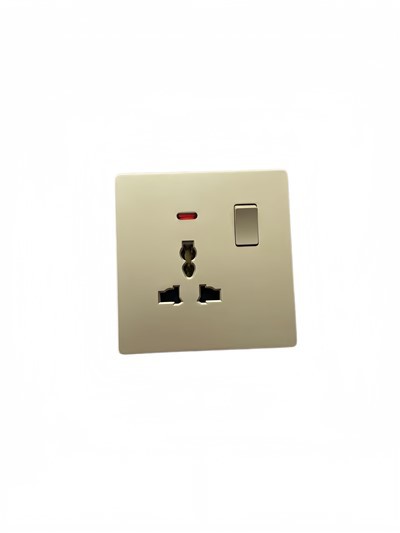
As a significant innovation in modern electrical control, acrylic wall switches emerged and developed due to advances in materials science and the consumer's pursuit of both aesthetics and functionality in their homes.
Traditional wall switches are mostly made of plastic, metal, or glass. While they provide basic functionality, they suffer from limitations in durability, aesthetics, and user experience. Acrylic (PMMA, polymethyl methacrylate), a highly transparent, weather-resistant, and highly malleable polymer material, has been widely used in lighting, architecture, and industrial design since the mid-20th century, gradually becoming an ideal choice for wall switches.
From a technical perspective, the introduction of acrylic addresses the challenges of traditional switches. Its smooth surface and excellent impact resistance effectively withstand daily wear and damage. Its high light transmittance allows designers to implement backlighting through a double-layer structure, enhancing convenience and safety for nighttime operation. Furthermore, acrylic is easily processed into complex shapes, offering personalized possibilities for home decor and satisfying modern consumers' demand for a fusion of aesthetics and practicality.
The significance of acrylic wall switches lies not only in their technical aspects but also reflects the evolving social lifestyles. Amid the rapid development of smart homes, acrylic switches have become a vehicle for connecting functionality and artistry. By integrating touch controls, LED indicators, or wireless control modules, acrylic switches can adapt to diverse scenarios, such as ambient lighting in designs without a primary light, or the sterility and safety requirements of specialized spaces like healthcare and education. Furthermore, their environmentally friendly and recyclable properties align with global sustainable development trends, reducing resource consumption over long-term use.
In summary, the popularity of acrylic wall switches is driven by both material innovation and user demand, driving upgrades in the electrical equipment industry while also providing key support for building smarter and more aesthetically pleasing living environments.