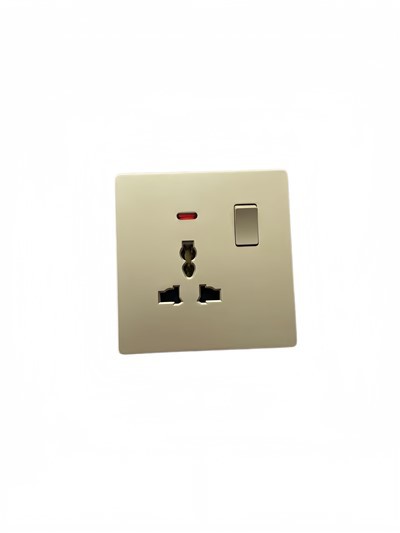
As a crucial component for both decorative and functional protection in buildings, wall panel coverings must be installed and operated in strict accordance with standard procedures to ensure a stable, aesthetically pleasing, and durable structure. The following is a detailed description of standard operating procedures.
Preliminary Preparation
Before installation, check that the specifications and models of the wall panels and cover panels match the design requirements. Ensure that the base wall is flat and free of cracks, and clean the surface of any dust, oil, or other impurities. Prepare specialized installation tools, such as a drill, level, screwdriver, and supporting hardware (such as screws, brackets, and sealant).
Installation Steps
1.Positioning: Using a chalk marker or laser level, mark the installation locations for the cover panels on the wall according to the design drawings, ensuring even spacing and vertical alignment.
2.Securing the Wall Panels: Apply a moderate amount of structural adhesive to the back of the wall panel or use a nail gun to initially secure it to the wall. Focus on reinforcing the edges and corners to ensure a tight fit with the base.
3.Installing the Cover Panel: Align the cover panel with the edge of the wall panel or the reserved slot, and begin attaching the panels one by one, starting from one end. Use screws or clips to secure the cover panel to the wall panel or wall, with recommended spacing no more than 30 cm. The load points should be evenly distributed. If the cover panel is spliced, insert sealing strips to prevent cracking or water seepage.
4.Adjustment and Inspection: Use a level to verify the flatness of the cover panel and fine-tune the screw tightening to eliminate any height differences. Finally, check the tightness of the joints and fill with sealant if necessary to enhance waterproofing.
Precautions
Avoid violent impacts during operation that may cause deformation of the panel. For humid environments, use corrosion-resistant and mildew-resistant materials. Regularly check the tightness of the screws. Reinforce any looseness after extended use.
Standardized operating procedures can significantly improve the practicality and lifespan of the wall panel cover. Flexibility should be exercised to adjust details based on site conditions.