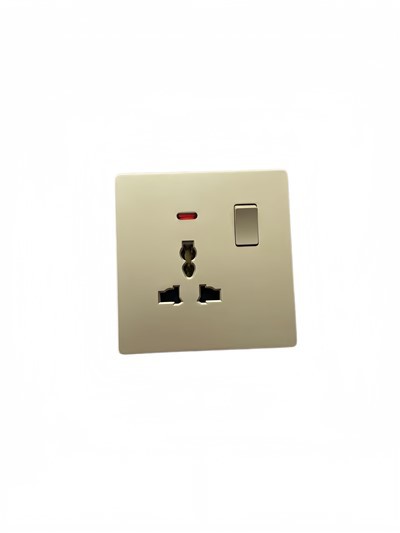
As a key component of electrical control devices, metal light switches exhibit significant differences in practical applications due to their material properties and functional design. Understanding these differences will help users select the appropriate product for their needs.
Based on material, metal light switches are primarily categorized into stainless steel, aluminum alloy, and nickel-plated steel. Stainless steel switches offer excellent corrosion resistance and strength, making them suitable for humid or industrial environments. Aluminum alloy switches are lightweight and offer excellent heat dissipation, making them commonly used in home and commercial lighting systems. Nickel-plated steel switches excel in oxidation resistance and aesthetics, and are often used in high-end decorative applications. Different materials directly impact the switch's service life and application scenarios.
In terms of functional design, metal light switches can be categorized into single-pole, dual-pole, and multi-pole types. Single-pole switches control a light fixture in only one location, offering a simple structure and low cost. Dual-pole switches allow the same light to be controlled from two different locations, making them commonly used in hallways or stairwells. Multi-pole switches support multiple, coordinated operation points, making them suitable for complex lighting layouts. Furthermore, some metal switches offer integrated dimming, touch sensing, or intelligent control modules, further expanding their functionality.
Safety is another key differentiator among metal light switches. High-quality metal switches typically feature an insulating layer, overload protection, and fire-resistant materials to reduce the risk of electric shock or short circuits. In contrast, inferior metal switches may suffer from poor contact or overheating due to inadequate workmanship, so caution is advised when purchasing.
In summary, metal light switches differ in multiple dimensions, including material, functionality, and safety design. Users should choose high-quality, standard-compliant products based on their specific environment, needs, and budget to ensure a stable and safe lighting system.