


Can plastic wall sockets be used in bathrooms?
As a supplier of plastic wall sockets, I often receive inquiries from customers about the suitability of using our products in bathrooms. This is a crucial question that requires a comprehensive understanding of electrical safety standards, the properties of plastic materials, and the unique environment of bathrooms. In this blog, I will delve into the factors to consider and provide insights on whether plastic wall sockets can be used in bathrooms.
Understanding the Bathroom Environment
Bathrooms are high - humidity areas where water splashes, steam, and condensation are common. These conditions pose significant challenges to electrical installations. Water is an excellent conductor of electricity, and even a small amount of moisture can lead to short - circuits, electric shocks, or fires. Therefore, any electrical device used in a bathroom must be able to withstand these harsh conditions.
The International Electrotechnical Commission (IEC) and local electrical codes have defined different zones in bathrooms based on the level of risk. The zones are classified as Zone 0 (inside the bathtub or shower), Zone 1 (a vertical area above the bathtub or shower), Zone 2 (an area adjacent to the bathtub or shower), and Zone 3 (the remaining areas of the bathroom). Each zone has specific requirements for electrical installations to ensure user safety.
Properties of Plastic Wall Sockets
Plastic is a popular material for wall sockets due to its many advantages. It is lightweight, inexpensive, and easy to mold into various shapes. Additionally, plastic is an insulator, which means it does not conduct electricity, reducing the risk of electric shock.
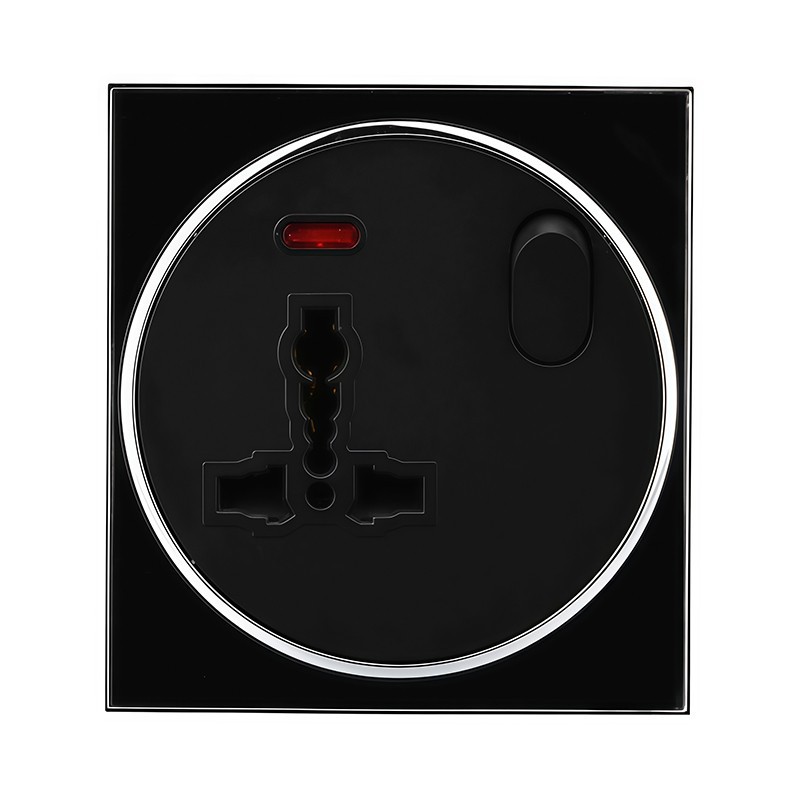

Most plastic wall sockets are made from materials such as polycarbonate, acrylonitrile butadiene styrene (ABS), or polyethylene. These plastics have good mechanical strength, chemical resistance, and flame - retardant properties. However, not all plastics are suitable for use in high - humidity environments. Some plastics may absorb moisture over time, which can affect their electrical insulation properties and structural integrity.
Safety Considerations for Using Plastic Wall Sockets in Bathrooms
- Waterproofing: For plastic wall sockets to be used in bathrooms, they must have adequate waterproofing. This can be achieved through the use of gaskets, seals, and enclosures that prevent water from entering the socket. IP (Ingress Protection) ratings are used to indicate the level of protection against solids and liquids. For bathrooms, sockets should have a minimum IP rating of IP44, which means they are protected against solid objects larger than 1 mm and splashing water from any direction.
- Grounding and Bonding: Proper grounding and bonding are essential for all electrical installations, especially in bathrooms. Grounding provides a safe path for electrical current in case of a fault, while bonding ensures that all metallic parts in the bathroom are at the same electrical potential. Plastic wall sockets should be installed in accordance with local electrical codes to ensure proper grounding and bonding.
- Location: The location of the socket within the bathroom is also crucial. Sockets should not be installed in Zone 0 or Zone 1, as these areas are at the highest risk of water contact. In Zone 2, sockets should be installed at a safe distance from the bathtub or shower and should be protected by a residual current device (RCD). Zone 3 is the least risky area, but sockets still need to meet the appropriate safety standards.
Our Plastic Wall Socket Products for Bathrooms
We offer a range of plastic wall sockets that are designed to meet the safety requirements for bathrooms.
- Our Acrylic 13A Switched Socket with Neon is made from high - quality acrylic, which has excellent transparency and chemical resistance. It is equipped with a neon indicator, which provides a visual indication of the socket's status. The socket has a waterproof design with an IP rating of IP44, making it suitable for use in Zone 2 and Zone 3 of bathrooms.
- The Pattern Cooker Unit Socket is another option for bathroom installations. It is designed to handle high - power appliances and has a robust plastic housing. The socket is also waterproof and has a built - in safety switch to prevent accidental contact with live parts.
- Our Toggle Switch Socket is a simple and reliable option for bathrooms. The toggle switch provides easy on/off control, and the plastic body is resistant to moisture and impact. It meets the necessary safety standards for use in bathroom environments.
Conclusion
In conclusion, plastic wall sockets can be used in bathrooms, but only if they meet the appropriate safety standards. When choosing a plastic wall socket for a bathroom, it is important to consider factors such as waterproofing, grounding, and location. Our range of plastic wall sockets, including the Acrylic 13A Switched Socket with Neon, Pattern Cooker Unit Socket, and Toggle Switch Socket, are designed to provide safe and reliable electrical connections in bathroom environments.
If you are interested in our plastic wall socket products for your bathroom projects or have any questions about their suitability, please feel free to contact us for a detailed discussion. We are committed to providing high - quality products and professional advice to ensure your electrical installations are safe and compliant.
References
- International Electrotechnical Commission (IEC) standards on electrical installations in bathrooms.
- Local electrical codes and regulations regarding bathroom electrical installations.


