


Temperature is a fundamental environmental factor that can have a wide - ranging impact on various electrical devices, and American light switches are no exception. As a supplier of American light switches, it's essential to understand the effects of temperature on these products to ensure their safety, performance, and longevity in different usage scenarios.
Basic Structure and Working Principle of American Light Switches
Before analyzing the impact of temperature, it's necessary to briefly introduce the basic structure and working principle of American light switches. American light switches typically consist of a housing, contacts, and an operating mechanism. The housing is usually made of plastic, which provides insulation and mechanical protection. The contacts are responsible for making and breaking the electrical circuit, allowing the flow of current to control the light. The operating mechanism enables users to turn the switch on and off manually.
When the switch is in the "on" position, the contacts are closed, allowing current to flow through the circuit and power the light. When the switch is in the "off" position, the contacts are separated, interrupting the current flow and turning off the light.
Impact of High Temperature on American Light Switches
1. Material Degradation
High temperatures can accelerate the degradation of materials used in American light switches. The plastic housing, for example, may soften, deform, or even crack under prolonged exposure to high - temperature environments. This can compromise the insulation properties of the housing, increasing the risk of electrical leakage and short - circuits. Over time, the mechanical strength of the housing may also be reduced, making it more susceptible to damage from impacts or vibrations.
Moreover, the contacts in the switch are often made of metal alloys. High temperatures can cause the metal to oxidize, which increases the contact resistance. As the contact resistance rises, more electrical energy is converted into heat at the contact points, further exacerbating the temperature increase. This positive feedback loop can lead to overheating of the switch, potentially melting the contacts and causing the switch to fail.
2. Impact on Electrical Performance
High temperatures can also affect the electrical performance of American light switches. The increased resistance caused by contact oxidation can result in a voltage drop across the switch when current is flowing. This voltage drop can reduce the power available to the light, causing it to dim or flicker. In addition, high temperatures can increase the conductivity of the insulation materials, leading to a phenomenon known as electrical leakage. Electrical leakage not only wastes energy but also poses a safety hazard, as it can cause electrical shocks or fires.
3. Reduction in Lifespan
The combination of material degradation and electrical performance issues due to high temperatures significantly reduces the lifespan of American light switches. Switches operating in high - temperature environments are more likely to experience premature failures, requiring more frequent replacements. This can be a significant inconvenience for users and can also increase the overall cost of ownership.
Impact of Low Temperature on American Light Switches
1. Brittleness of Materials
Low temperatures have their own set of challenges for American light switches. The plastic housing, which is usually flexible at normal temperatures, can become brittle in cold environments. This brittleness makes the housing more prone to cracking when subjected to mechanical stress, such as when the switch is operated or when the device is installed or removed. A cracked housing can expose the internal electrical components, increasing the risk of electrical hazards.
2. Contact Resistance Changes
In cold temperatures, the metal contacts in the switch may contract. This contraction can cause changes in the contact pressure between the contacts. If the contact pressure is reduced, the contact resistance may increase, similar to what happens in high - temperature scenarios. The increase in contact resistance can lead to voltage drops and reduced electrical performance, affecting the proper functioning of the light.
3. Lubricant and Operating Mechanism Issues
Many American light switches use lubricants in their operating mechanisms to ensure smooth operation. Low temperatures can cause these lubricants to thicken or even solidify, making the switch more difficult to operate. Users may find that it requires more force to turn the switch on or off, which can be frustrating and may also lead to premature wear of the operating mechanism.
Temperature - Resistant Design and Solutions
As a supplier of American light switches, we are well - aware of the challenges posed by temperature variations. To address these issues, we have implemented several design and manufacturing strategies.

1. High - Quality Materials Selection
We use high - temperature - resistant plastics for the switch housing. These plastics have a high melting point and excellent mechanical properties, even under high - temperature conditions. For the contacts, we use special metal alloys that are resistant to oxidation, reducing the increase in contact resistance at high temperatures.
2. Thermal Management Design
Our switches are designed with proper ventilation channels to dissipate heat effectively. This helps to keep the internal temperature of the switch within a safe range, even when the ambient temperature is high. Additionally, we use thermal insulation materials in some of our switches to protect the internal components from external temperature fluctuations.
3. Testing and Certification
All of our American light switches undergo rigorous temperature testing during the manufacturing process. We test the switches in both high - and low - temperature environments to ensure that they can meet the required performance standards. Our products are also certified by relevant international standards organizations, providing customers with confidence in the quality and reliability of our products.
Product Recommendation: US 1 Gang Switch 16A
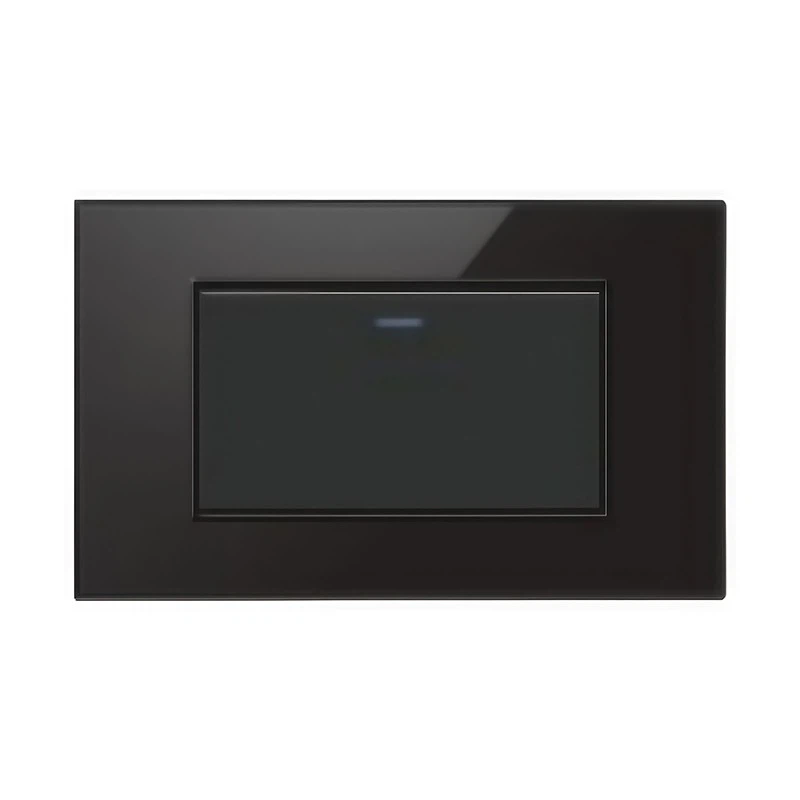
One of our flagship products is the US 1 Gang Switch 16A. This switch is designed to withstand a wide range of temperatures, from extremely cold to very hot environments. It features a high - quality plastic housing that is both impact - resistant and temperature - resistant. The contacts are made of a special alloy that ensures low contact resistance and long - term reliability, even under harsh temperature conditions. Whether it's used in a cold storage facility or a hot industrial environment, the US 1 Gang Switch 16A can provide stable and safe electrical control.
Conclusion and Call to Action
Temperature has a significant impact on the performance, safety, and lifespan of American light switches. As a professional supplier, we are committed to providing high - quality, temperature - resistant light switches to meet the diverse needs of our customers. Our products are designed and manufactured with the latest technologies and strict quality control measures to ensure reliable operation in various temperature environments.
If you are in the market for American light switches and want to ensure that you get products that can withstand temperature variations, we invite you to contact us for procurement and negotiation. We are ready to provide you with detailed product information, competitive pricing, and excellent customer service.
References
- Electrical Engineering Handbook, Third Edition.
- Standards for Electrical Switchgear and Controlgear.
- Research Papers on the Effects of Temperature on Electrical Contacts.


