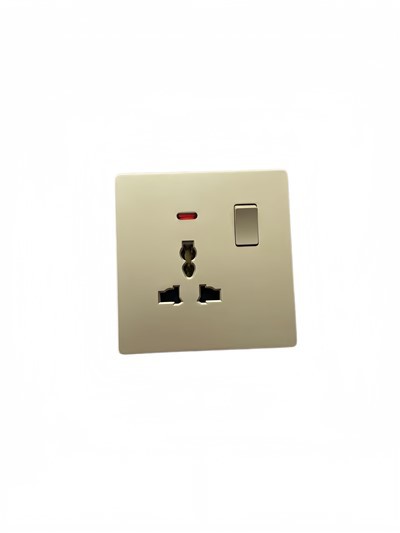
Plastic wall sockets are the most common electrical outlets found in homes and offices. While seemingly durable, they are prone to aging, dust accumulation, and even safety hazards after long-term use. Proper daily care not only extends the lifespan of the socket but also ensures electrical safety. Here are a few practical care tips:
1. Regularly Clean Dust
Dust, hair, and other debris easily accumulate on the surface and sockets of sockets, especially in heavily used areas like the kitchen and living room. It's recommended to gently wipe the socket surface with a dry, soft cloth monthly. Avoid using damp cloths or abrasive cleaners. To remove dust from the socket, carefully clean it with a soft brush (such as a toothbrush) or a small vacuum cleaner tip. Never poke the socket with metal tools to avoid damaging the internal structure or causing a short circuit.
2. Check the Socket
During daily use, pay attention to the following abnormalities in the socket:
•Loose socket: If the plug feels loose or has poor contact when inserted, it may be due to deterioration of the internal reed. Replace the socket promptly.
•Cracked Plastic Shell: If you notice cracks or deformation in the socket shell, the plastic may have become brittle due to heat or aging. You should immediately stop using the socket and replace it.
•Burning Odor or Discoloration: If you smell a burning odor near the socket or notice yellowing or blackening of the plastic, this could be a sign of overheating or a short circuit. Immediately disconnect the power cord and inspect the socket.
3. Avoid Overloading
Plastic sockets typically have a current rating (such as 10A or 16A). Avoid plugging multiple high-power appliances (such as heaters and microwave ovens) into the socket at the same time, as this may cause the socket to overheat or even melt. It is recommended that high-power appliances use separate sockets or power strips with overload protection, and ensure that the wire gauge of the socket matches the appliance's wattage.
4. Moisture and Splash Protection
Although plastic sockets have a certain degree of insulation, prolonged contact with moisture can still cause electrical leakage. In humid areas such as bathrooms and balconies, use sockets with splash-proof housings and minimize water splashing into the sockets. If water accidentally enters the socket, immediately turn off the power and dry it. Ensure it is dry before using it again.
5. Properly plug and unplug electrical appliances
When plugging or unplugging, hold the plug body, not the cord, to avoid breaking the wire or loosening the socket. Avoid applying excessive force to avoid damaging the socket or the spring. If the plug is difficult to insert, do not force it; it may be due to deterioration of the spring inside the socket and needs to be replaced.
6. Regularly replace old sockets
Plastic sockets generally have a lifespan of 5-10 years. If a socket exhibits the following conditions, it is recommended to replace it promptly:
Over 10 years of use
Frequent sparks when plugging or unplugging
Severe yellowing or brittleness of the outer shell
Poor contact in the socket, unstable operation of the appliance
When choosing a new socket, it is recommended to purchase one that complies with national standards (such as GB/T 2099) and preferably one with a safety door to prevent accidental contact by children.
Daily care for plastic wall sockets is not complicated, but it does require careful observation and regular maintenance. By cleaning, inspecting, protecting against moisture, and using them correctly, you can effectively reduce potential safety hazards and keep your sockets safe and functional for longer. If you find any abnormalities, be sure to address them promptly. Don't let a small mistake lead to a big one!