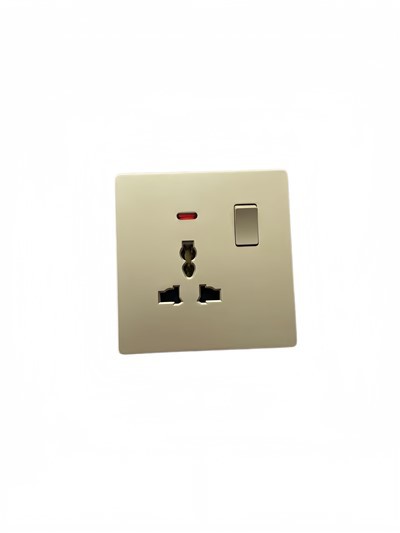
As a crucial component of architectural decoration and functional structures, wall paneling's technical characteristics directly impact a building's safety, durability, and aesthetics. Modern wall paneling continues to achieve breakthroughs in materials science, manufacturing processes, and functional integration, resulting in a diverse product portfolio widely used in residential, commercial, and industrial construction.
From a material perspective, wall paneling primarily utilizes metals (such as aluminum alloys and stainless steel), composite materials (such as fiber-reinforced plastics), wood, and inorganic boards (such as calcium silicate board and gypsum board). Metals offer high strength, corrosion resistance, and fire resistance, making them suitable for high-load or specialized environments. Composite materials, with their lightweight, easy-to-process, and moisture-resistant properties, excel in humid or chemically corrosive environments. Wood panels are environmentally friendly but require special treatment to enhance durability. Inorganic boards are fire-resistant and flame-retardant, meeting the safety requirements of public buildings.
In terms of technical performance, the key features of wall panels include:
1.Structural Strength and Stability: Optimized panel thickness, rib design, and connection methods (such as clips and screws) ensure load-bearing and deformation resistance.
2.Protective Function: Features include waterproofing, moisture-proofing, sound insulation, and heat insulation. Some high-end products also incorporate anti-static, antibacterial, or electromagnetic shielding features.
3.Ease of Installation: Modular design and standardized interfaces significantly simplify the construction process, reducing labor costs and project duration.
4.Aesthetics and Customization: Surface treatment technologies (such as spraying, lamination, and embossing) can be applied to meet diverse texture, color, and decorative style requirements.
In the future, with the development of green building and intelligent technology, wall panels will further evolve towards lightweighting, multifunctional integration, and sustainable materials, becoming a key vehicle for technological innovation in the construction industry.