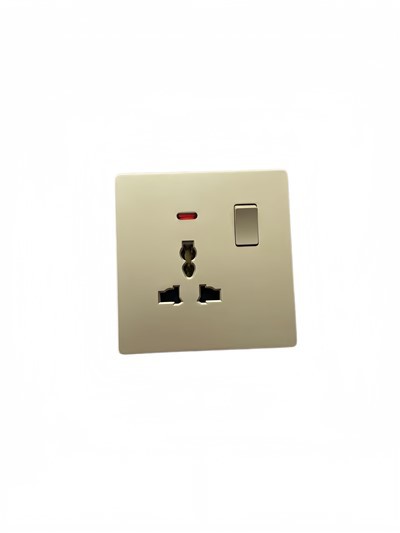
As a fundamental component of electrical installation systems, the design and quality of wall switch and socket frames directly impact electrical safety and user experience. Typically constructed of metal or high-strength engineering plastic, these frames secure the switch panel, carry current, and protect internal conductive components.
Structurally, the frames feature a modular design and are secured to the wall using clips or screws to ensure secure installation. Main materials include galvanized steel and flame-retardant PC plastic. The former is suitable for high-load applications, while the latter excels at insulation and corrosion resistance. Regarding electrical performance, high-quality frames must pass voltage, temperature, and insulation resistance tests to comply with national electrical standards such as GB/T 16915, effectively preventing short circuits and leakage risks.
Innovations in modern switch and socket frames focus on functional integration and user-friendly design. For example, some products feature a concealed slot structure that supports multiple modules (such as USB charging ports and intelligent control units), improving space utilization. Chamfered edges reduce the risk of scratches during installation. Furthermore, waterproof frames developed for humid environments feature sealing rubber rings and splash-proof designs, expanding their applicability.
Installation specifications are also crucial. The frame must be precisely aligned with pre-buried electrical conduits in the wall, allowing ample space for wiring, and ensuring reliable grounding. Poor-quality frames often cause panels to loosen due to dimensional deviations or aging materials, potentially posing safety hazards. Therefore, choosing products that meet certification standards is crucial.
In the future, with the development of smart homes, frames will increasingly prioritize compatibility with IoT devices, such as integrated wireless control module interfaces. Their design will also strive to strike an optimal balance between safety, scalability, and aesthetics, becoming an essential detail in building electrical systems.