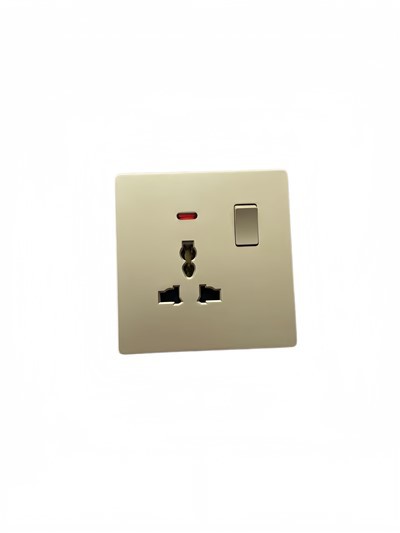
Acrylic wall switches are widely used in modern homes and commercial spaces due to their aesthetic appeal, durability, and ease of processing. The production process involves multiple precision steps to ensure product quality and safety.
Raw material preparation is the first step in production. High-quality acrylic (PMMA) sheets are cut and polished to form the switch panel base. Internal conductive components, such as contacts and brackets, are made of copper alloy or stainless steel to ensure conductivity and corrosion resistance.
Injection molding is the core process for acrylic panels. Acrylic pellets are heated to approximately 180-250°C and injected into a mold under high pressure using an injection molding machine. After cooling, the switch housing is formed. The mold design must precisely match the switch structure to ensure consistent button layout and appearance.
During the circuit assembly phase, the conductive components are precisely positioned and soldered to the PCB (or directly riveted) using automated equipment. They are then inserted into the pre-recorded holes in the acrylic panel. Key steps include contact pressure testing and insulation testing to ensure switch sensitivity and electrical safety.
Surface treatment enhances product quality and durability. Acrylic panels can be customized with patterns through silk-screen printing, UV printing, or laser engraving, and then treated with a hard coating for enhanced wear resistance. Some high-end products also require electrostatic spraying or electroplating for decorative borders.
Quality inspection is the final step before shipment. Switches must pass voltage resistance testing, key life testing (typically requiring more than 100,000 cycles), and temperature and humidity cycling tests to ensure long-term use without deformation or malfunction.
Finally, qualified products are packaged and released to the market. The production of acrylic wall switches integrates material science, mold design, and precision manufacturing technology, requiring rigorous control at every stage to meet user requirements for both safety and aesthetics.