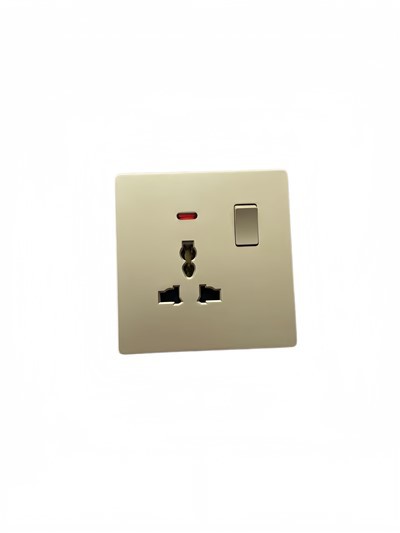
As one of the most common terminal devices in modern building electrical systems, plastic wall sockets have become an indispensable component in homes and commercial spaces thanks to their insulation, corrosion resistance, and affordability. While metal sockets still find use in some industrial applications, plastic sockets, due to their comprehensive advantages, continue to dominate the residential market.
From a materials science perspective, high-quality plastic sockets are typically made from flame-retardant polycarbonate (PC) or ABS engineering plastics. These materials not only offer excellent mechanical strength but also maintain stability in high-temperature environments, effectively reducing the risk of electrical fires. According to International Electrotechnical Commission (IEC) standards, certified plastic sockets must pass a 750°C glow-wire test to ensure they will not support combustion in extreme conditions such as short circuits. Furthermore, the natural insulating properties of plastic provide users with a basic barrier to electric shock.
In terms of functional design, modern plastic sockets often incorporate anti-mist insertion features, childproof doors, and grounding terminals. For example, the asymmetrical layout of three-pin sockets enforces the distinction between live and neutral wires, while spring-loaded protective doors require simultaneous force on both prongs to open, preventing children from touching them out of curiosity and potentially causing danger. Some high-end products also feature modular designs, supporting expanded functions like USB charging and wireless radio frequency control to meet the demands of smart homes.
It's worth noting that plastic sockets typically have a lifespan of 8-10 years. After long-term use, they may develop problems such as poor contact, aging, and cracking. Regularly inspecting the socket surface for discoloration and deformation and promptly replacing expired sockets are crucial measures to ensure electrical safety. With advances in material technology, the new generation of environmentally friendly plastic sockets is moving towards halogen-free and low-smoke density materials, further reducing safety hazards.
As the "last mile" of the electrical system, plastic wall sockets, while seemingly insignificant, carry a critical role in protecting personal and property safety. Selecting products that comply with national standards and hold safety certifications, and cultivating a sound maintenance approach, can fully realize the protective value of this essential electrical component.