


Can I use a plastic wall socket with a surge protector?
As a plastic wall socket supplier, I often encounter customers with various questions regarding the compatibility and safety of using plastic wall sockets in conjunction with surge protectors. In this blog, I'll delve into the technical and practical aspects of this topic, providing you with comprehensive insights to make informed decisions.
Understanding Plastic Wall Sockets
Plastic wall sockets have become a staple in modern electrical installations due to their numerous advantages. They are lightweight, cost - effective, and offer good insulation properties. The plastic materials used in these sockets, such as polycarbonate, are flame - resistant and can withstand normal electrical loads without significant degradation.
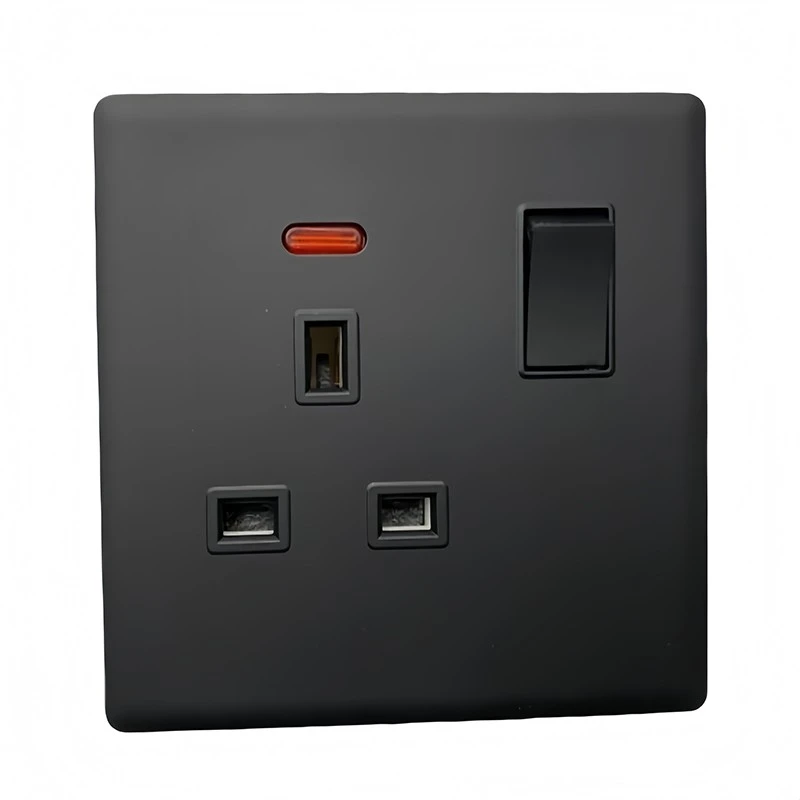
Our product range includes a variety of plastic wall sockets, such as the 13A Switched Socket, which provides a convenient way to control the power supply to connected devices. The 2 Gang TV Socket is specifically designed for televisions and related equipment, ensuring stable and reliable connections. And the Pattern Cooker Unit Socket is built to handle the high - power requirements of cooking appliances.

The Role of Surge Protectors
Surge protectors are essential devices that safeguard your electronic equipment from voltage spikes. These spikes can occur due to lightning strikes, power grid fluctuations, or the sudden switching on and off of high - power devices. A surge protector works by diverting the excess voltage to the ground, preventing it from reaching your valuable electronics.
Compatibility of Plastic Wall Sockets and Surge Protectors
In general, plastic wall sockets are fully compatible with surge protectors. The plastic housing of the socket provides insulation, which is crucial for preventing electrical shocks. When a surge protector is plugged into a plastic wall socket, the electrical connection is established in the same way as with any other type of socket.
However, it's important to ensure that the socket and the surge protector are rated for the same electrical load. For example, if you are using a 13A plastic wall socket, make sure the surge protector can handle up to 13A. Overloading can lead to overheating, which may cause damage to the socket, the surge protector, or even pose a fire hazard.
Safety Considerations
Even though plastic wall sockets and surge protectors are designed to be safe, there are several safety considerations to keep in mind.
1. Flame Resistance: As mentioned earlier, the plastic used in wall sockets should be flame - resistant. This is important because in the event of a short - circuit or overheating, the socket should not catch fire easily. Make sure the plastic wall socket you choose complies with relevant safety standards.
2. Grounding: Both the plastic wall socket and the surge protector should be properly grounded. A proper grounding system ensures that any excess electrical charge is safely dissipated into the ground, reducing the risk of electrical shocks.
3. Quality of Components: The quality of the internal components of the socket and the surge protector matters. Inferior components may fail to provide adequate protection or may pose a safety risk. When choosing a plastic wall socket and a surge protector, opt for products from reputable manufacturers.
Installation
Proper installation is key to the safe and effective use of plastic wall sockets and surge protectors.
1. Socket Installation: When installing a plastic wall socket, follow the manufacturer's instructions carefully. Make sure the wires are connected correctly and that the socket is securely mounted on the wall. Incorrect installation can lead to loose connections, which can cause overheating and electrical problems.
2. Surge Protector Installation: Plug the surge protector into the plastic wall socket firmly. Ensure that the surge protector is placed in a well - ventilated area to prevent overheating. Avoid using multiple surge protectors in a daisy - chain configuration, as this can increase the risk of overloading.
Benefits of Using Plastic Wall Sockets with Surge Protectors
1. Cost - Efficiency: Plastic wall sockets are generally more affordable than their metal counterparts. When combined with a surge protector, you get an effective and cost - efficient solution for protecting your electronics.
2. Flexibility: Plastic wall sockets come in various designs and configurations, allowing you to choose the one that best suits your needs. You can also easily replace a plastic wall socket if it gets damaged.
3. Protection for Electronics: By using a surge protector with a plastic wall socket, you can protect your expensive electronics, such as televisions, computers, and home appliances, from voltage spikes.
Conclusion
In conclusion, you can definitely use a plastic wall socket with a surge protector. They are compatible and, when used correctly, can provide a safe and effective way to power and protect your electronic devices. However, it's crucial to pay attention to safety considerations, such as load ratings, flame resistance, and proper installation.
If you are interested in purchasing high - quality plastic wall sockets for your home or business, we are here to help. Our range of products offers a variety of options to meet your specific requirements. Whether you need a simple 13A switched socket or a specialized 2 - gang TV socket, we have you covered. Contact us to start a conversation about your procurement needs and let us assist you in finding the best plastic wall sockets for your projects.
References
- "Electrical Installation Guidelines", National Electrical Code Handbook
- "Surge Protection: Principles and Practices", Industry Research Report


